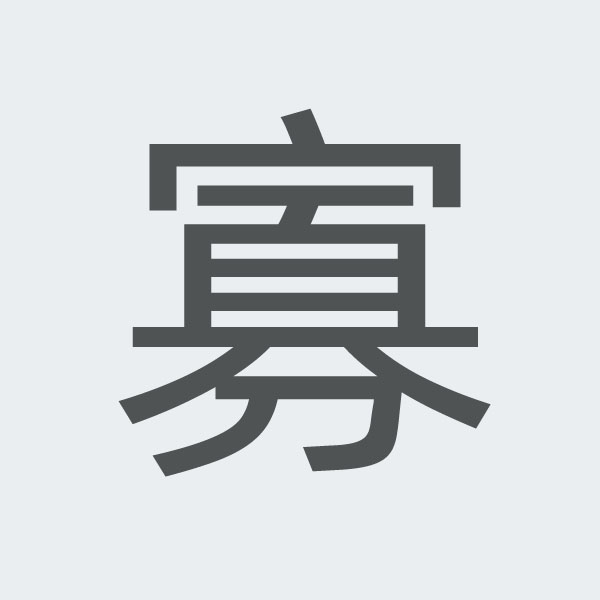
Kanji Breakdown: 寡
Core Meaning: Few, little; widow; scarcity
Reading: カ (ka)
Structure Analysis:
宀 (roof): house/family
頁 (head): person/people
分 (divide): separation
Character depicts "divided family under one roof" - showing lack/absence.
Essential Vocabulary & Usage
1. 寡黙 (かもく・kamoku) - Taciturn, quiet
"He's a man of few words."
彼は寡黙な人だ。
2. 寡占 (かせん・kasen) - Oligopoly
"The market is controlled by a few companies."*
市場は数社による寡占状態だ。
3. 寡婦 (かふ・kafu) - Widow
"She has lived as a widow for ten years."
彼女は10年間寡婦として暮らしている。
4. 多寡 (たか・taka) - Quantity, amount
"Regardless of the amount, I appreciate it."*
多寡にかかわらず感謝します。
Key Insight
寡 represents scarcity and deficiency - whether people (widow), speech (taciturn), or market competition (oligopoly). It consistently indicates "few/little" in quantitative terms and appears in social, economic, and personal descriptors. The character often carries formal or technical nuances in modern usage.
*Stroke Order: 14 strokes - write top components first, then 頁 at bottom.*