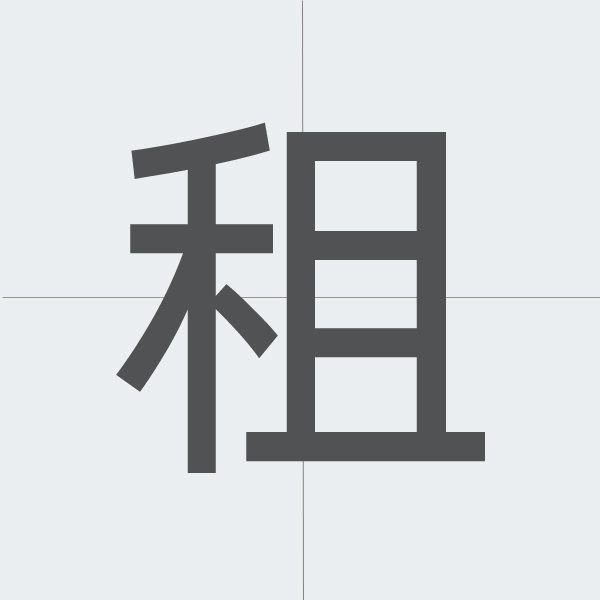
The Kanji: 租 (So)
The kanji 租 means "tariff," "tax," or "tribute." It combines 禾 (grain) with 且 (temporary), originally depicting grain tributes paid to rulers. This character represents various forms of taxation and levies.
Common Words & Example Sentences
1. 租税 (sozei) - Taxation
租税を納める義務がある。
"There is an obligation to pay taxes."
2. 租庸調 (soyōchō) - Ancient tax system
租庸調は日本の古代税制だ。
"Soyōchō was Japan's ancient tax system."
3. 地租 (chiso) - Land tax
地租改正が行われた。
"Land tax reform was implemented."
4. 租界 (sokai) - Concession
上海に租界が置かれた。
"A concession was established in Shanghai."
In summary, 租 describes taxation systems - from general taxes (租税) and historical tributes (租庸調) to property levies (地租) and foreign concessions (租界). It's essential for understanding fiscal and historical contexts in Japanese.