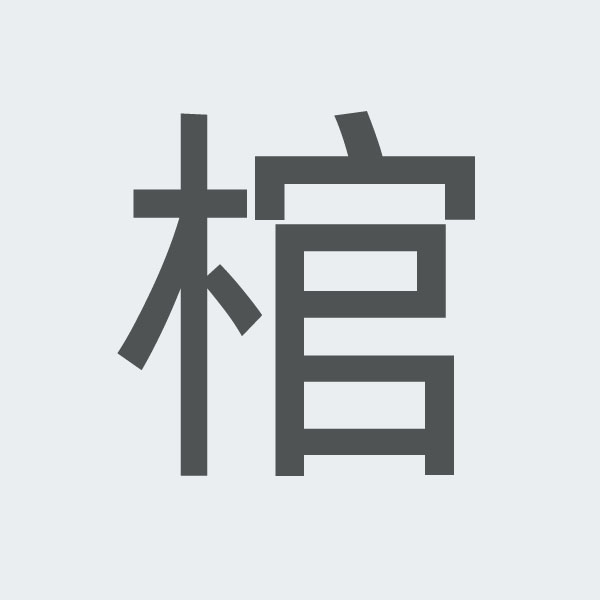

Kanji Breakdown: 棺
Core Meaning: Coffin, casket
Reading: カン (kan)
Structure Analysis:
木 (tree/wood): material
官 (official/government): phonetic component
Character depicts "official wooden container" for the deceased.
Essential Vocabulary & Usage
1. 棺桶 (かんおけ・kanoke) - Coffin, casket
"The deceased was placed in a coffin."
亡くなった方は棺桶に納められた。
2. 棺椁 (かんかく・kankaku) - Inner/outer coffins
"The ancient tomb contained nested coffins."
古墳から棺椁が発見された。
3. 水晶棺 (すいしょうかん・suishōkan) - Crystal coffin
"The leader's body lies in a crystal coffin."
指導者の遺体は水晶棺に安置されている。
4. 蓋棺 (がいかん・gaikan) - Closing the coffin lid
"The final judgment comes after death."
蓋棺事定まる(死後に真価が決まる)。
Key Insight
棺 specifically denotes burial containers - primarily wooden coffins but extending to modern materials. The character appears in funeral contexts, archaeological terminology, and idioms about final judgment. Unlike general containers (箱), 棺 carries solemn funerary connotations and is essential vocabulary for discussing death rituals and burial practices in Japanese culture.
*Stroke Order: 12 strokes - write 木 first, then 官 component.*