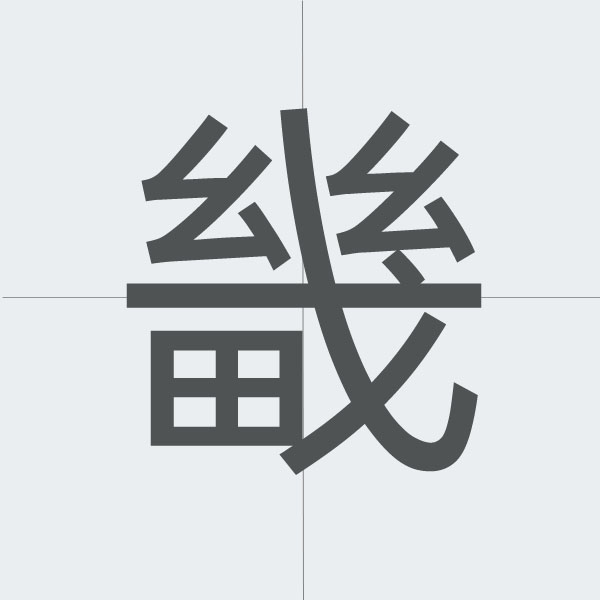
The Kanji: 畿 (Ki)
The kanji 畿 specifically means "capital region" - the area surrounding and administered by the imperial capital. It combines 田 (rice fields) with 幾 (how many), representing the cultivated lands that sustained the capital. This character is primarily used in historical and geographical contexts.
Common Words & Example Sentences
1. 近畿 (Kinki) - Kansai region
近畿地方を旅行する。
"Travel through the Kinki region."
2. 畿内 (Kinai) - Capital provinces
畿内は古代の政治的中心だった。
"The Kinai was the ancient political center."
3. 京畿 (Keiki) - Capital region (alternative reading)
京畿の開発が進む。
"Development progresses in the capital region."
4. 畿甸 (Kiden) - Imperial domains (archaic)
畿甸から税を徴収する。
"Collect taxes from imperial domains."
In summary, 畿 is a specialized kanji describing capital regions - from modern Kansai (近畿) to historical imperial territories (畿内, 京畿). It preserves important historical geography in Japanese vocabulary.