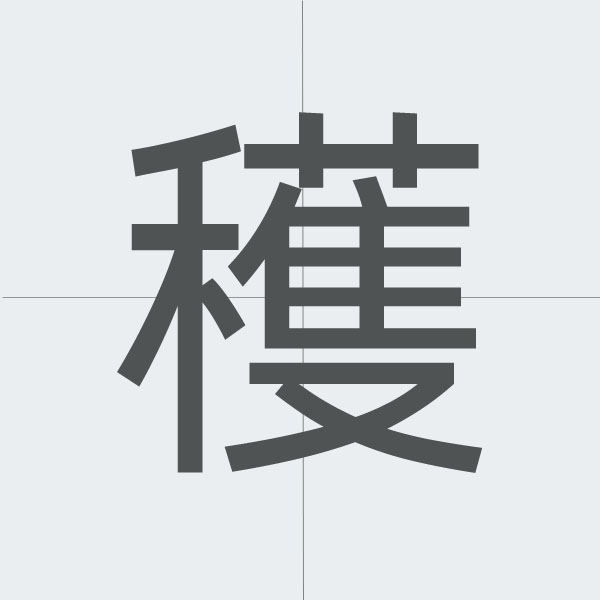
The Kanji: 穫 (Kaku)
The kanji 穫 specifically means "harvest" (of grain crops). It combines 禾 (grain plant) with 蒦 (grasping hand), depicting the action of gathering ripe crops. This character is used exclusively for agricultural harvesting.
Common Words & Example Sentences
1. 収穫 (shūkaku) - Harvest
秋は収穫の季節だ。
"Autumn is harvest season."
2. 穫り入れ (kariire) - Harvesting
稲の穫り入れを行う。
"Harvest the rice crops."
3. 豊穫 (hōkaku) - Bountiful harvest
今年は豊穫が見込まれる。
"A bountiful harvest is expected this year."
4. 穫高 (kakudaka) - Harvest yield
米の穫高を計算する。
"Calculate the rice harvest yield."
In summary, 穫 is a specialized agricultural kanji describing crop harvesting - from the general act (収穫) and process (穫り入れ) to abundance (豊穫) and quantities (穫高). It's essential for farming contexts in Japanese.