3. Historical Origins and Etymology (The "Story" Behind the Kanji)
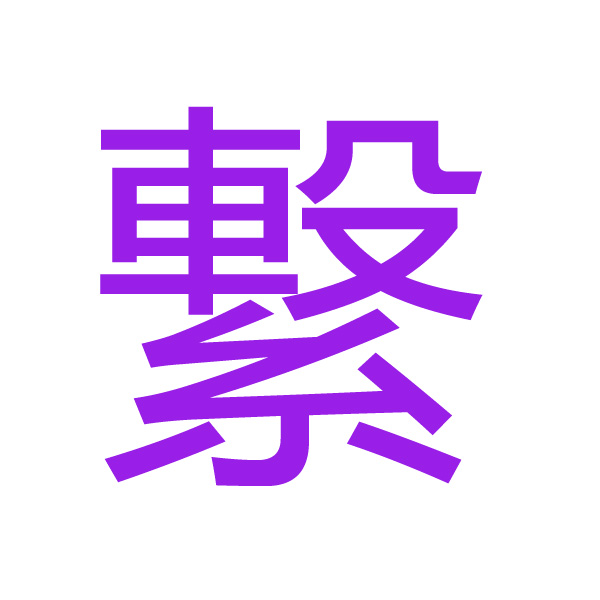
The history of 繋 is a fascinating example of an ideographic compound (会意文字 kaii moji), where the original meaning is vividly clear from its parts.
The kanji 繋 is composed of two primary components:
軗 (or a variant thereof): This part is related to a "horse-drawn carriage" or its "axle" and "reins." It represents the vehicle or the thing that is being controlled or held.
糸 (Ito): This character means "thread" or "string."
The Combined Meaning:
The character 繋 creates a perfect visual and conceptual image:
"Using a thread or rope (糸) to tether a carriage (軗)."
Imagine tying a horse-drawn carriage to a post with a rope to prevent it from moving away. This is the essence of 繋:
Physical Connection: Tying, fastening, or linking two objects together.
Control: The act of connecting also implies restraint or securing something in place.
Abstract Connection: From this physical act, the meaning expanded to any kind of connection, such as relationships (人との繋がり hito to no tsunagari), communication, or logical links.
The character brilliantly captures the fundamental human action of joining things together, using the strong imagery of securing a large, mobile object with a simple thread or rope.
4. Example Sentences
Here are some example sentences showing the different uses of 繋.
As a Verb "To Connect" (つなぐ):
Romaji: Fune o kishi ni tsunaida.
English: He tied the boat to the shore.
船を岸に繋いだ。
As a Verb "To Be Connected" (つながる):
Romaji: Kono michi wa eki ni tsunagatte iru.
English: This road connects to the station.
この道は駅に繋がっている。
Abstract Connection:
Romaji: Watashitachi wa tsuyoi kizuna de tsunagatte iru.
English: We are connected by a strong bond.
私たちは強い絆で繋がっている。
Summary
Meaning: To connect, to link, to tie, to fasten.
Writing: 19 strokes. A complex character written from top to bottom, starting with the "carriage" component and ending with the "thread" radical 糸.
Origin: An ideographic compound. It depicts the act of "using a thread or rope (糸) to tether a horse-drawn carriage (軗)," representing the concept of connecting, securing, and creating a bond between things. This powerful image is the foundation for all its modern meanings, from physical tying to abstract relationships.