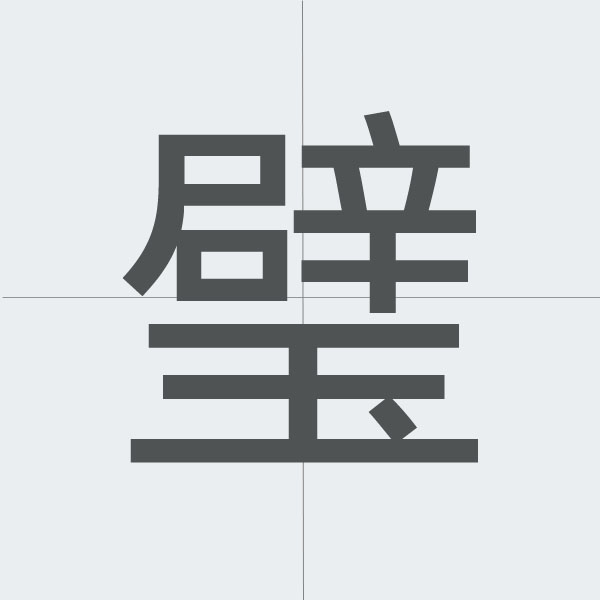
The Kanji: 璧 (Heki)
The kanji 璧 (read as heki) means a "round flat jewel" or a "disc-shaped ritual jade object." It is composed of the radical 玉 (tama, meaning "jewel" or "gem") which clearly indicates its precious, jewel-like nature, combined with the phonetic component 辟. In ancient China, such jade discs were highly valued ceremonial objects, often symbolizing perfection and authority.
Common Words & Example Sentences
1. 完璧 (kanpeki)
Meaning: Perfect; flawless; complete. This is by far the most common word featuring this kanji. It literally means "complete jewel."
Example Sentence: 彼女の日本語は完璧です。
(Kanojo no Nihongo wa kanpeki desu.)
"Her Japanese is perfect."
2. 璧還 (hekikan)
Meaning: Returning something safely or in its original condition. This is a formal word, often found in fixed expressions.
Example Sentence: 貴重品を無事に璧還する。
(Kichōhin o buji ni hekikan suru.)
"To safely return the valuables."
In summary, 璧 is a classical kanji that primarily appears in the modern language within the word 完璧 (perfection). While its core meaning is a precious jade disc, it powerfully symbolizes the ultimate state of flawlessness and completeness.