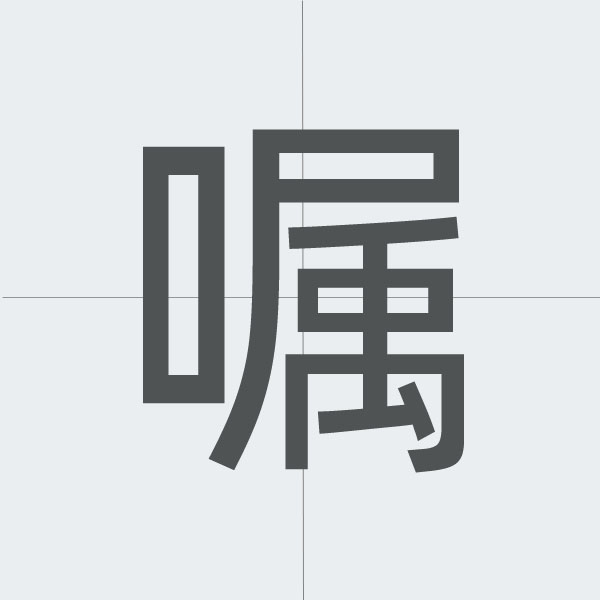
The Kanji: 嘱 (Shoku / Shoku)
The kanji 嘱 (read as shoku) carries the core meaning of "to entrust," "to request," or "to commission." It is composed of the radical 口 (mouth) and 属 (to belong to), creating the idea of verbally assigning a task to someone, thereby making it their responsibility. This character implies a formal or earnest request for someone to undertake a specific duty.
Common Words & Example Sentences
1. 嘱託 (shokutaku)
Meaning: A part-time or contract-based employee; a commissioned agent.
Example Sentence: 彼は会社で嘱託として働いている。
(Kare wa kaisha de shokutaku toshite hataraite iru.)
"He works for the company as a contract employee."
2. 嘱望 (shokubō)
Meaning: To have high hopes for someone; to pin one's expectations on.
Example Sentence: 彼は将来を嘱望されている選手だ。
(Kare wa shōrai o shokubō sarete iru senshu da.)
"He is a player on whom high hopes are placed for the future."
3. 遺嘱 (yuigonsho)
Meaning: A will; a testament (the document entrusting posthumous wishes).
Example Sentence: 祖父の遺嘱が読み上げられた。
(Sofu no yuigonsho ga yomiagerareta.)
"My grandfather's will was read aloud."
In summary, 嘱 is a formal kanji centered on the act of entrusting. It applies to various contexts, from employing someone on a contractual basis (嘱託) and placing expectations on a person (嘱望), to the final wishes in a legal will (遺嘱).