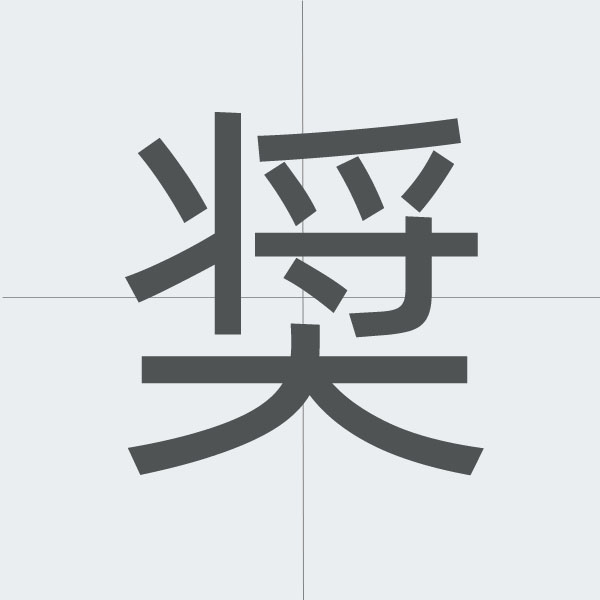
The Kanji: 奨 (Shō / Susu)
The kanji 奨 means "to encourage," "to promote," or "to recommend." It combines 将 (leader) with 大 (big), originally depicting elevating someone to greater status. This character represents active support and advocacy.
Common Words & Example Sentences
1. 奨学金 (shōgakukin) - Scholarship
奨学金を申請する。
"Apply for a scholarship."
2. 奨励 (shōrei) - Encouragement
省エネを奨励する。
"Promote energy conservation."
3. 推奨 (suishō) - Recommendation
この設定を推奨します。
"We recommend this setting."
4. 奨め (susume) - Encouragement
先生の奨めで医学部を受験した。
"I applied to medical school following my teacher's encouragement."
In summary, 奨 describes active support - from financial aid (奨学金) and policy promotion (奨励) to formal recommendations (推奨) and personal encouragement (奨め). It's essential for educational and motivational contexts in Japanese.