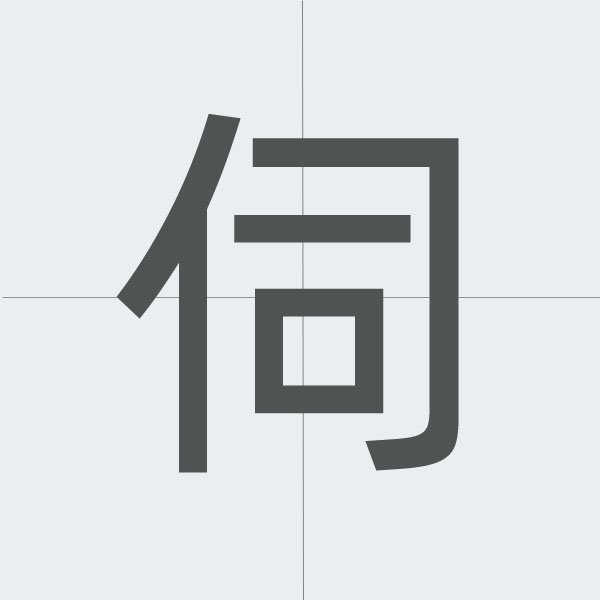
The Kanji: 伺 (Shi / Uka)
The kanji 伺 is a humble verb meaning "to ask," "to visit," or "to inquire." It combines 亻 (person) with 司 (administer), originally depicting someone humbly seeking information from authorities. This character represents respectful questioning and visiting in formal Japanese.
Common Words & Example Sentences
1. 伺う (ukagau) - To ask/visit (humble)
明日お伺いします。
"I will visit you tomorrow." (polite)
2. 伺います (ukagaimasu) - May I ask
お名前を伺います。
"May I ask your name?" (polite)
3. 内伺 (uchiai) - Preliminary inquiry
上司に内伺する。
"Consult with one's superior."
4. 伺候 (shikō) - Waiting upon (archaic)
君主の側で伺候する。
"Wait upon the monarch."
In summary, 伺 is essential for polite communication - expressing humble visits (伺う), respectful questions (伺います), and formal consultations (内伺). It embodies Japanese culture's emphasis on respectful social interaction.