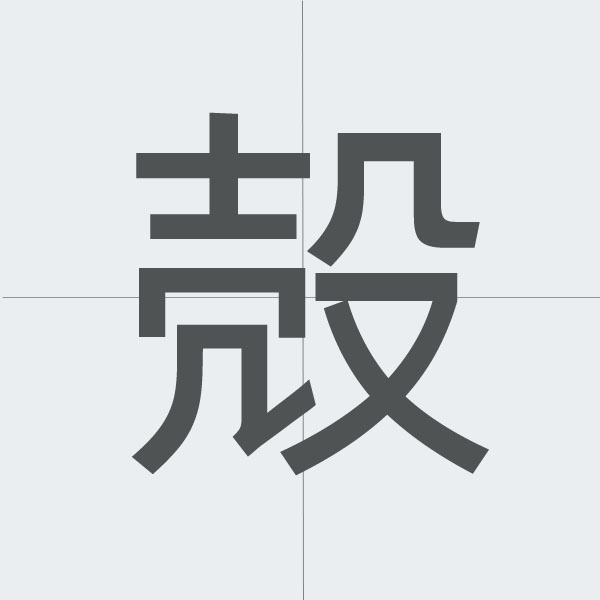
The Kanji: 殻 (Kaku / Kara)
The kanji 殻 means "shell," "husk," or "crust." It combines 士 (scholar) with 殳 (weapon), originally depicting a protective covering like armor. This character represents hard external coverings of various kinds.
Common Words & Example Sentences
1. 殻 (kara) - Shell
卵の殻を剥く。
"Remove the eggshell."
2. 貝殻 (kaigara) - Seashell
海辺で貝殻を拾う。
"Collect seashells at the beach."
3. 地殻 (chikaku) - Earth's crust
地殻変動が起きる。
"Crustal movement occurs."
4. 殻を破る (kara o yaburu) - To break out of one's shell
自分の殻を破る必要がある。
"Need to break out of one's shell."
In summary, 殻 describes protective coverings - from natural shells (殻, 貝殻) and geological layers (地殻) to psychological barriers (殻を破る). It connects physical and metaphorical containment in Japanese.