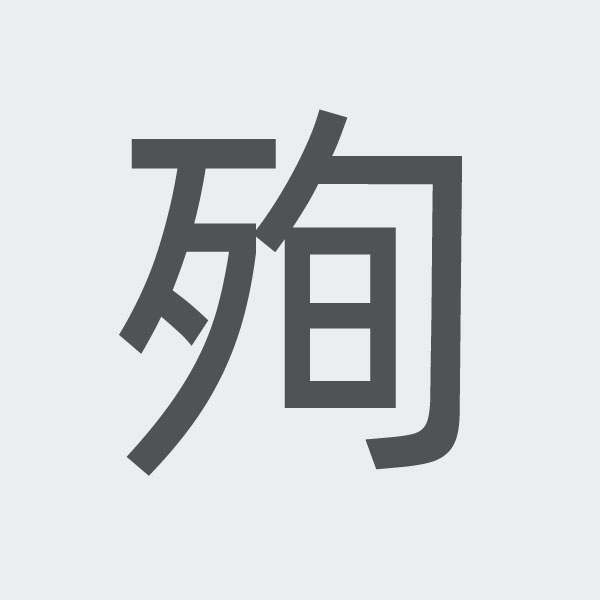
Kanji Breakdown: 殉
Core Meaning: Martyrdom; die for a cause; sacrifice oneself
Reading: ジュン (jun)
Structure Analysis:
歹 (death radical): bone fragment/death
旬 (10-day period): phonetic component
Character depicts "death following someone/something" - ultimate sacrifice.
Essential Vocabulary & Usage
1. 殉職 (じゅんしょく・junshoku) - Death in the line of duty
"The firefighter died while saving others."
消防士が殉職した。
2. 殉教 (じゅんきょう・junkyō) - Martyrdom (for religion)
"Early Christians faced martyrdom for their faith."
初期のキリスト教徒は殉教した。
3. 殉死 (じゅんし・junshi) - Following one's lord in death
"Samurai practiced junshi to follow their master."
侍は主君に殉死する習慣があった。
4. 殉情 (じゅんじょう・junjō) - Dying for love
"The lovers chose death together."
二人の恋人は殉情を選んだ。
Key Insight
殉 represents voluntary death for a higher cause - whether duty, faith, loyalty, or love. Unlike ordinary death (死), it carries honor and purpose. The character appears in historical contexts (samurai loyalty), occupational hazards (public service), and romantic tragedies, always implying conscious sacrifice rather than accidental death.
*Stroke Order: 10 strokes - write 歹 first, then 旬 component.*