Kanji Analysis: 愁 (Shū)
The kanji 愁 encapsulates a complex and profound feeling of melancholy, sorrow, and heartfelt grief. It's not about sudden anger or pain, but a deep, lingering, and often poetic sadness.
Primary Meaning: Sorrow; Grief; Melancholy; Anxiety
Reading:
Onyomi (Sound-reading): シュウ (Shū)
Kunyomi (Meaning-reading): うれ.い (ure.i), うれ.える (ure.eru)
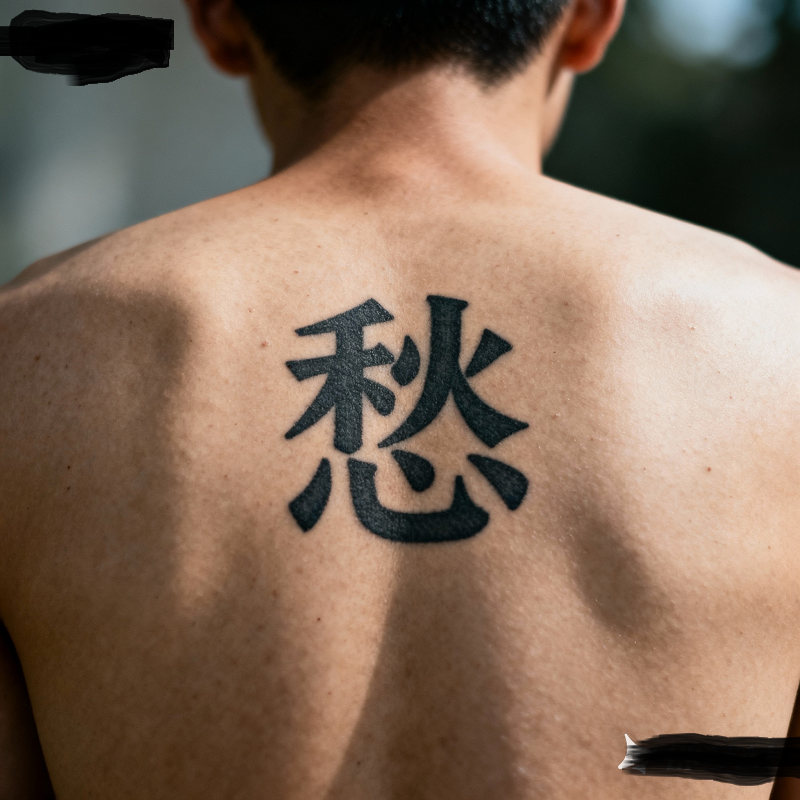
1. Breakdown for Easy Learning
The kanji's structure is a beautiful and logical representation of its meaning:
秋 (Aki/Shū): The top part means "autumn." Autumn is strongly associated in East Asian culture with melancholy, the passing of time, and a quiet, poignant beauty.
心 (Kokoro): The "heart" or "mind" radical on the bottom.
Memory Tip: Think of it as "an autumn (秋) heart (心)." This perfectly captures the feeling of wistful sadness, nostalgia, and gentle sorrow that the kanji represents.
2. Common Vocabulary (語彙 - Goi)
Here are the most essential words using "愁."
| Word | Reading | Meaning & Context |
|---|---|---|
| 憂愁 | ゆうしゅう Yūshū | Melancholy; Sorrow; Gloom. A deep, pensive sadness. 憂 (yū) also means "melancholy," reinforcing the meaning. This is a very poetic and strong word. |
| 郷愁 | きょうしゅう Kyōshū | Nostalgia; Homesickness; Longing. 郷 (kyō) means "hometown." This is the feeling of bittersweet longing for a past time or place. |
| 愁い | うれい Urei | Sorrow; Grief; Anxiety. This is the noun form of the feeling itself. |
| 愁える | うれえる Ureeru | To grieve; to be anxious; to lament. This is the verb form, meaning to be in a state of sorrow. |
| 哀愁 | あいしゅう Aishū | Pathos; Sorrowful beauty. 哀 (ai) means "sorrow" or "pity." This word describes something that has a sad, beautiful, and touching quality. |
3. Example Sentences (例文 - Reibun)
Let's see how these words are used in context, often in literary or emotional descriptions.
Using 憂愁 (Yūshū) - Melancholy:
Japanese: 彼のピアノの音色には深い憂愁が漂っていた。
Romaji: Kare no piano no neiro ni wa fukai yūshū ga tadayotte ita.
English: A deep melancholy drifted in the tone of his piano.
Using 郷愁 (Kyōshū) - Nostalgia:
Japanese: あの歌を聞くといつも郷愁に駆られる。
Romaji: Ano uta o kiku to itsumo kyōshū ni karareru.
English: Whenever I hear that song, I am overcome with nostalgia.
Using 哀愁 (Aishū) - Sorrowful Beauty:
Japanese: 廃墟には一種独特の哀愁がある。
Romaji: Haikyo ni wa isshu dokutoku no aishū ga aru.
English: Ruins have a unique kind of sorrowful beauty.
4. Tattoo Meaning: Poetic Melancholy
Getting "愁" as a tattoo is a deeply poetic and introspective choice. It is far from a generic symbol and carries a very specific, weighty emotional resonance.
Core Symbolism: Profound Sorrow, Melancholy, Nostalgia, an Autumn Heart.
Potential Positive Interpretations (Beauty in Sadness):
Aesthetic of Mono no Aware: This is a key Japanese concept: the pathos of things, a gentle sadness at the transience of all things. "愁" is a direct expression of this aesthetic. It represents an appreciation for the bittersweet beauty of life, loss, and impermanence.
Depth of Feeling: It can symbolize that you are a deep feeler, someone who experiences emotions profoundly and is not afraid of melancholy. It can be a tribute to a sensitive soul.
Connection to the Past: Representing 郷愁 (nostalgia), it can be a tribute to your roots, a lost loved one, or a past chapter of your life that you remember with a bittersweet heart.
Artistic Temperament: A perfect kanji for artists, writers, or musicians who draw inspiration from melancholy and the full spectrum of human emotion.
Important Considerations & Warnings:
It is Not "Happiness": This is crucial. Anyone who understands the kanji will see it as a symbol of sadness. You must be comfortable with this and have a personal narrative that embraces this feeling.
Risk of Misinterpretation: Without context, it could be misread as simply "depression" or "unhappiness," lacking the poetic nuance. It's not a symbol of "strength" in a conventional sense, but rather a strength in embracing vulnerability and deep emotion.
A Mature Choice: This is not a casual tattoo. It signifies a person who has experienced depth, loss, or a contemplative view of life.
Summary for Your Studies & Tattoo Decision
Kanji: 愁
Core Meaning: Sorrow, Melancholy, Grief
Radical Logic: 秋 (Autumn) + 心 (Heart) = An autumn heart, poetic sadness.
Key Word: 郷愁 (Kyōshū) - Nostalgia
Key Concept: 哀愁 (Aishū) - Sorrowful beauty
Final Tattoo Advice:
"愁" is a beautiful, sophisticated, and deeply meaningful choice for a tattoo if and only if you fully identify with its connotations of poetic melancholy and bittersweet nostalgia. It is for those who find beauty in sadness and see their own depth of feeling not as a weakness, but as a fundamental part of their being. If you are seeking a symbol of pure joy, strength, or love, this is not the right kanji. But if you wish to express a soulful, contemplative, and emotionally complex nature, it is a powerful and resonant character.