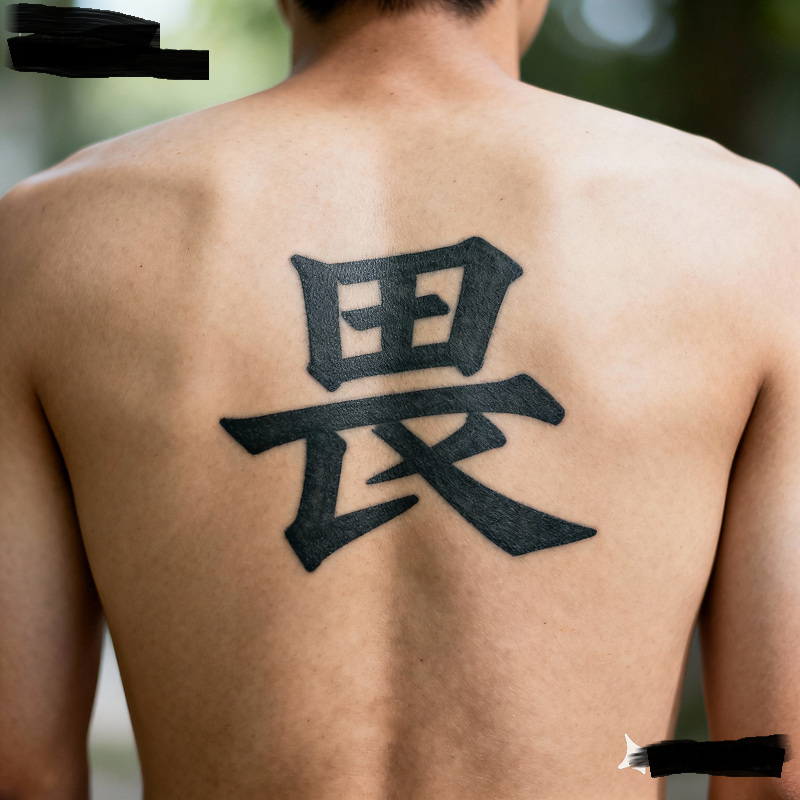
Kanji Analysis: 畏 (I)
The kanji 畏 represents a deep and powerful feeling that sits at the intersection of fear, awe, and reverence. It is not the fear of terror, but the humbling fear one feels in the presence of something vastly greater than oneself, such as a deity, nature's power, or supreme authority.
Primary Meaning: Awe; Fear; Reverence; Dread
Reading:
Onyomi (Sound-reading): イ (I)
Kunyomi (Meaning-reading): おそ.れる (oso.reru)
1. Breakdown for Easy Learning
The ancient form of this kanji is highly illustrative:
畀 (HI): The top part depicts a hand holding a weapon.
卜 (Boku): The bottom part is the "divination" radical, associated with the will of the gods or fate.
Memory Tip: Think of it as "being under the weapon and judgment of a higher power." This creates the feeling of fearful respect and the need to be humble. It's the feeling of a mortal standing before a god.
2. Common Vocabulary (語彙 - Goi)
The words formed with "畏" carry a formal, literary, and often profound weight.
| Word | Reading | Meaning & Context |
|---|---|---|
| 畏敬 | いけい Ikei | Awe; Reverence. This word leans strongly towards the positive side of "awe." It's the feeling you have towards something sublime and majestic. |
| 畏怖 | いふ Ifu | Fear; Dread; Awe. This word leans more towards the "fear" side of the meaning. 怖 (fu) means "fear." It is the dread felt in the face of something powerful. |
| 畏れ | おそれ Osore | Fear; Dread; Awe. This is the noun form of the kun'yomi verb. |
| 畏まる | かしこまる Kashikomaru | To behave humbly; to sit formally. This verb describes the physical act of showing respect and humility, often by sitting upright on one's knees (seiza). |
| 畏友 | いゆう Iyū | A respected friend; a friend one holds in awe. This refers to a friend for whom you have deep respect, perhaps because of their strong character or intellect. |
3. Example Sentences (例文 - Reibun)
These examples show how "畏" is used in formal and descriptive contexts.
Using 畏敬 (Ikei) - Awe:
Japanese: 人々は壮大な自然の姿に畏敬の念を抱いた。
Romaji: Hitobito wa sōdaina shizen no sugata ni ikei no nen o idaita.
English: The people felt a sense of awe at the sight of the majestic nature.
Using 畏怖 (Ifu) - Fear/Dread:
Japanese: 古代の人々は雷を神の怒りと聞いて畏怖した。
Romaji: Kodai no hitobito wa kaminari o kami no ikari to kiite ifu shita.
English: The ancient people heard thunder and felt dread, believing it to be the wrath of the gods.
Using 畏まる (Kashikomaru) - To behave humbly:
Japanese: 先生の前で畏まって座った。
Romaji: Sensei no mae de kashikomatte suwatta.
English: I sat humbly and formally in front of the teacher.
4. Tattoo Meaning: Profound Respect and Humility
Getting "畏" as a tattoo is a powerful, intellectual, and deeply philosophical choice. It signifies an understanding of one's place in the universe.
Core Symbolism: Awe, Humility, Respectful Fear, The Sublime.
Positive Interpretations:
Humility and Self-Awareness: It can represent the virtue of knowing your limits and showing respect to forces greater than yourself—be it nature, the universe, fate, or knowledge. It is the opposite of arrogance.
Awe of Existence: A symbol for someone who feels a profound sense of wonder and reverence for life, nature, and the cosmos. It's a recognition of the beauty and power that inspires both admiration and a touch of fear.
Respect for Tradition or Masters: It could symbolize deep respect for one's teachers, ancestors, or a particular philosophy or art form.
Confronting the Ineffable: A representation of standing before the great mysteries of life with a humble and accepting heart.
Important Considerations & Warnings:
It is Not Simple Fear: While it contains "fear," it's crucial to understand the nuance. This is not the fear of a coward, but the respectful fear of a wise person. However, the potential for misinterpretation as simple "fear" or "terror" exists for those unfamiliar with the character's depth.
A Mature and Solemn Choice: This is not a lighthearted or trendy tattoo. It carries a heavy, philosophical weight. It suggests a person who is contemplative, serious, and humble.
Cultural Depth: It aligns closely with concepts in Japanese and Chinese philosophy, where "knowing fear" is a component of wisdom and courage.
Summary for Your Studies & Tattoo Decision
Kanji: 畏
Core Meaning: Awe, Reverence, Fear (of a profound kind)
Radical Logic: A hand with a weapon (畀) over divination (卜) = Fearful respect for a higher power.
Key Word: 畏敬 (Ikei) - Awe, Reverence
Key Concept: Humility before the sublime.
Final Tattoo Advice:
"畏" is a superb and deeply meaningful tattoo choice for the right person. If you are someone who values humility, feels a constant sense of awe towards the universe, and wishes to carry a permanent reminder to remain respectful and self-aware, this kanji is profoundly powerful.
However, you must be prepared for two things:
To explain its nuanced meaning to those who ask.
To carry its solemn and weighty energy.
It is a mark of a philosopher, a seeker, or a warrior who understands true respect. If this resonates with you, it can be an exceptional choice.