Kanji Analysis: 酎 (Chū)
The kanji 酎 has a very specific and narrow meaning, referring almost exclusively to a type of alcoholic beverage, particularly one that is distilled or re-brewed.
Primary Meaning: Distilled/Re-brewed Alcohol; Sake
Reading:
Onyomi (Sound-reading): チュウ (Chū)
Kunyomi (Meaning-reading): None. It is almost never used as a standalone word.
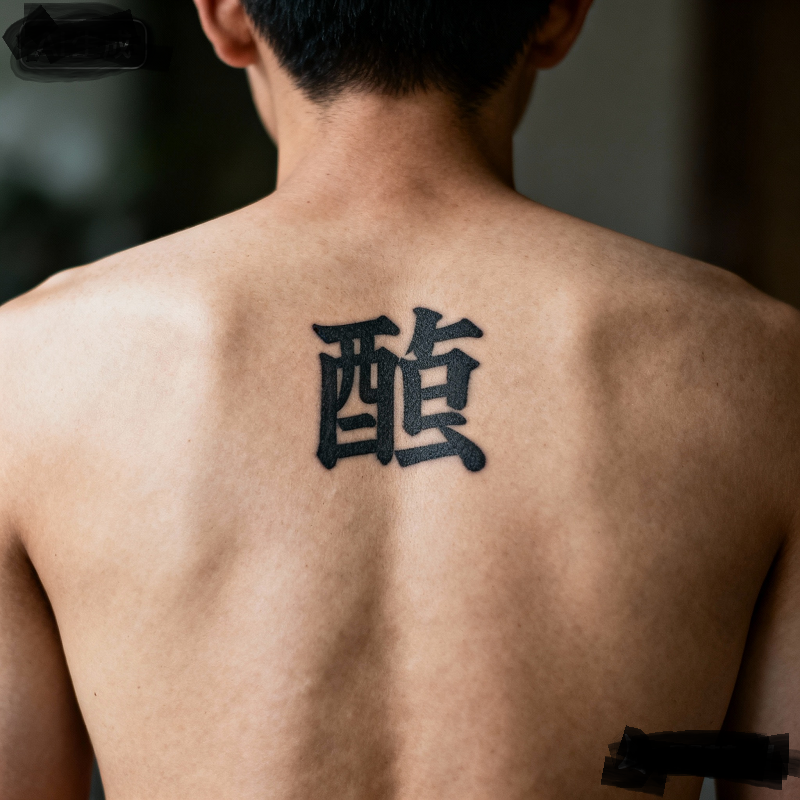
1. Breakdown for Easy Learning
The kanji's structure is a clear indicator of its meaning:
酉 (Hé / Tori): The radical on the left. This is the "wine jar" or "sake" radical, instantly connecting the character to alcohol.
寸 (Sun): The component on the right, which means "measurement" or "a little."
Memory Tip: Think of it as "the sake (酉) that is carefully measured (寸) during its production process." This points to the precise and often complex process of distillation or multiple fermentations.
2. Common Vocabulary (語彙 - Goi)
"酎" is most famously used in one extremely common word and a few other related terms.
| Word | Reading | Meaning & Context |
|---|---|---|
| 焼酎 | しょうちゅう Shōchū | Shochu. This is by far the most important word. It refers to the iconic Japanese distilled spirit, which can be made from sweet potato, barley, rice, etc. |
| 酎ハイ | チュウハイ Chūhai | Shochu Highball. A very popular canned/cocktail drink in Japan, made by mixing shochu with carbonated water and flavoring (like lemon). |
| 梅酒酎 | うめさけちゅう Umesakechū | A specific term for a plum liqueur made with shochu as the base spirit. |
3. Example Sentences (例文 - Reibun)
These examples show how the word is used in everyday contexts in Japan.
Using 焼酎 (Shōchū):
Japanese: 暑い日は、水割りの焼酎が一番いい。
Romaji: Atsui hi wa, mizuwari no shōchū ga ichiban ii.
English: On a hot day, shochu with water is the best.
Using 酎ハイ (Chūhai):
Japanese: コンビニでレモンの酎ハイを買った。
Romaji: Konbini de remon no chūhai o katta.
English: I bought a lemon chūhai at the convenience store.
Describing Production:
Japanese: この焼酎は芋を原料として醸造されている。
Romaji: Kono shōchū wa imo o genryō to shite jōzō sarete iru.
English: This shochu is brewed/distilled using sweet potatoes as its base ingredient.
4. Tattoo Meaning: A Niche and Literal Choice
Getting "酎" as a tattoo is a very unconventional and literal choice. Its meaning is almost entirely tied to a specific type of alcohol.
Core Symbolism: Shochu; Distillation; The alcohol brewing process.
Potential Personal Interpretations:
A Lover of Japanese Culture (Specifically Drinking Culture): It could symbolize a fondness for Japanese izakaya (pubs), shochu, or the social aspects of drinking in Japan.
A Connection to a Region: For someone who lived in or has a strong connection to a famous shochu-producing region in Japan (like Kagoshima or Miyazaki), it could be a symbol of that place.
A Profession in Distilling: For a brewer, distiller, or bartender, it could be a direct symbol of their craft.
A Metaphor for Refinement: In a very abstract sense, one could interpret the process of distillation (purifying and strengthening a substance) as a metaphor for self-improvement or refining one's character.
Important Considerations & Warnings:
Overwhelmingly Literal: For 99% of viewers, including Japanese people, this tattoo will simply mean "alcohol" or more specifically "shochu." It lacks the deep philosophical or emotional resonance of other kanji.
Potential Negative Connotation: It could be misinterpreted as representing alcoholism or an over-focus on drinking.
Lack of Poetic Meaning: Unlike kanji like "宵" (evening) or "酢" (vinegar) which can have poetic secondary meanings, "酎" is very technical and specific.
It's a Fragment: Since it's not used alone, it can feel like an incomplete word, similar to getting the tattoo "Vod" for "Vodka."
Summary for Your Studies & Tattoo Decision
Kanji: 酎
Core Meaning: Distilled Alcohol (specifically Shochu)
Radical Logic: 酉 (Alcohol) + 寸 (Measurement) = The process of making measured/distilled alcohol.
Key Word: 焼酎 (Shōchū) - The iconic Japanese spirit.
Final Tattoo Advice:
"酎" is generally not a recommended kanji for a tattoo. Its meaning is too narrow and literal for most people's purposes. While it could be a fun, niche tattoo for a true shochu connoisseur or someone in the distillation industry, the potential for misunderstanding is high, and the artistic or philosophical depth is very limited.
If you are looking for a kanji related to celebration, craftsmanship, or transformation, consider more versatile options like:
醸 (Jō) - To Brew (implies creation and process)
祝 (Shuku) - To Celebrate
宴 (En) - Banquet, Feast